
Kitchen Remodel Checklist: What Every Homeowner Should Know Before Starting
Let’s be honest: remodeling a kitchen is exciting, but also kind of overwhelming.
Even if you’re not swinging the hammer yourself, there’s still a lot to think through when hiring a contractor. What happens when? What should you do now versus later? And how do you avoid the all-too-common issues that blow up budgets and timelines?
After years of working on dozens of kitchen remodels (big and small, with all kinds of homeowners) we decided it was time to put together a real checklist. This guide will help you stay informed, make smart decisions, and avoid the rookie mistakes we’ve seen time and time again.
Who This Checklist is For
This kitchen remodel checklist isn’t for people wondering if they can install a sink with YouTube and a free weekend.
It’s for homeowners hiring a contractor, even if you’re still early in your remodel journey and haven’t spoken to anyone yet. (If that’s the case, you might want to check out this guide on how to choose the right contractor before diving in.). You want a kitchen that looks amazing, functions better, and doesn’t come with the usual stress and surprises. And you want to understand the process without becoming an expert in construction.
We made this checklist for folks like you. People who:
-
Want to avoid getting blindsided halfway through the job
-
Care about staying on schedule and on budget
-
Prefer to make informed decisions instead of last-minute scrambles
-
Know what they want but also know they’re not the builder
If that sounds like you, you’re in the right place. Let’s get into it.
Renovation is often the better path when the bones of your house are solid, but the layout, design, or finishes just aren’t working anymore.
If you like your neighborhood, have a decent floor plan, and don’t want to uproot your life, remodeling gives you control. You get to fix the parts that don’t work while keeping everything you love.
Here’s when remodeling usually wins:
-
You already have equity and want to invest it into upgrading the home
-
Moving would create more chaos than staying put (school zones, commutes, community ties)
-
You’re chasing function, not square footage (like better storage, an updated kitchen, or redoing the bathrooms)
-
Your budget allows for improvements, but not a down payment on something better
And for homeowners in San Diego, it’s worth noting: moving across town may not actually get you “more” – just “different”. Often, remodeling the house you’re already in gets you closer to your dream than what’s available on the market.
What’s Inside This Kitchen Remodel Checklist
- What’s Inside This Kitchen Remodel Checklist
- Planning Your Kitchen Remodel
- Kitchen Remodel Checklist: Contractor Coordination
- Material Selection and Shopping Checklist
- What to Expect During Construction
- Kitchen Remodel Mistakes to Avoid
- Kitchen Remodel Checklist: Final Walkthrough and Punchlist
- Maintenance and Warranty
- Final Thoughts Before Your Start Your Kitchen Remodel

Planning Your Kitchen Remodel
Every good kitchen remodeling checklist should start with strategy. If you skip this phase or rush through it, you’re almost guaranteed to hit bumps later on. This is the time to get clear about your goals, your budget, and the overall plan. A little upfront clarity now can save you weeks of frustration down the line.
Define Your Goals and Wishlist
Before anyone talks measurements or materials, step back and ask: what are you actually trying to change?
Is it the look? The layout? The function? All of the above?
Make a list of what’s not working and what “better” looks like to you. That could be:
• “We need more storage.”
• “The layout drives me crazy when we cook as a family.”
• “This kitchen feels dark and boxed in.”
You don’t need to have all the answers. But knowing the pain points and having a wish list helps your contractor and designer propose smarter solutions (and prioritize what matters most).
Set a Realistic Budget (And a Backup Plan)
Let’s be blunt: remodels can get expensive fast.
Before you start picking slab quartz or smart appliances, set your ideal budget and your maximum “no more than this” limit.
Make sure to include:
• Estimated labor costs
• Material allowances (cabinets, countertops, fixtures)
• Permits, plans, and inspections
• Contingency fund (aim for 10-15%)
If the budget feels tight, it’s better to face that now than halfway through the job. That way, you can scale the scope before work starts instead of making tough cuts mid-build.
Not sure where to start with the numbers? Our kitchen remodel cost breakdown walks through real estimates and what drives pricing here in San Diego.
Don’t Skip the Design and Layout Phase
Too many homeowners rush into demo with only a vague vision and a few Pinterest photos.
Don’t do that.
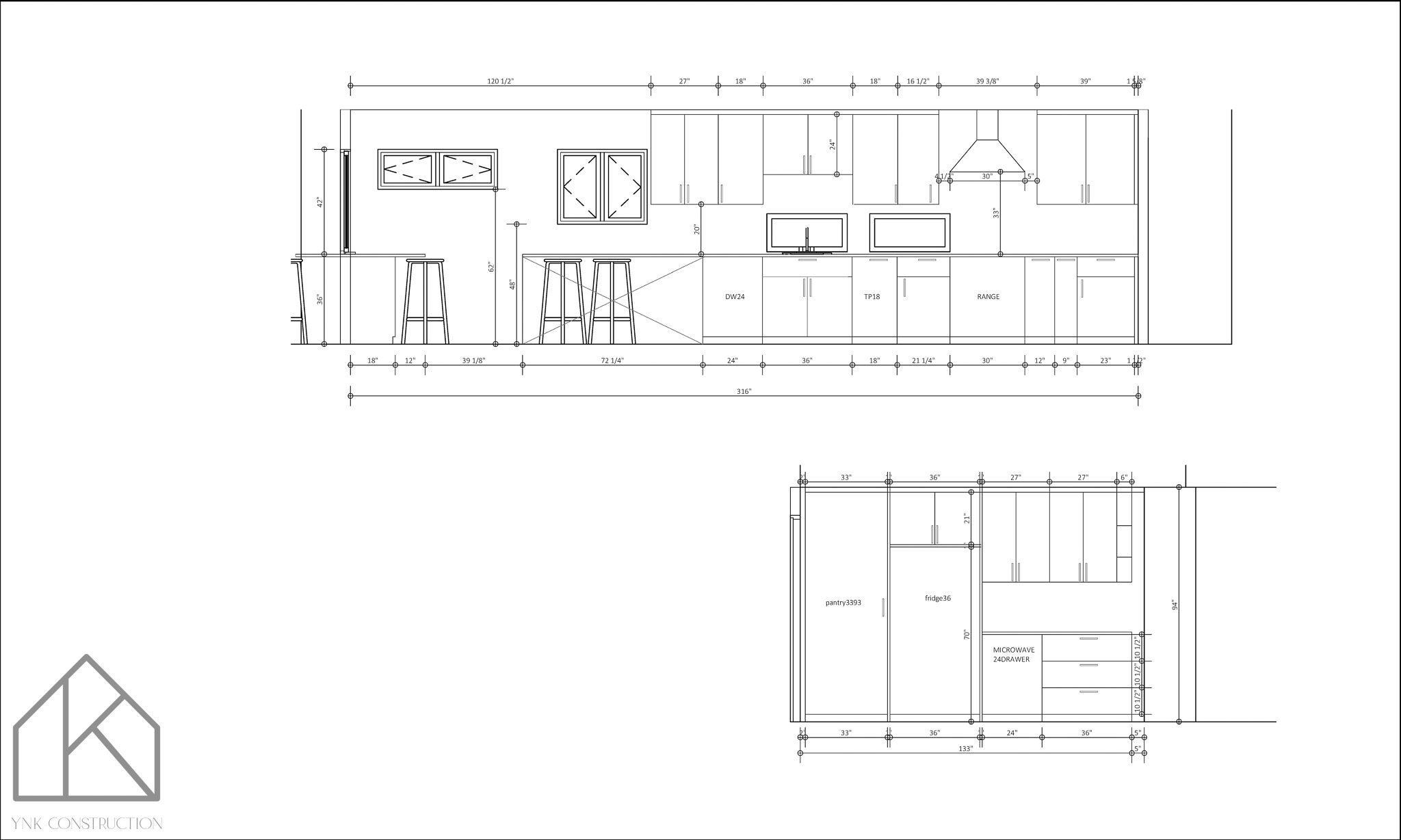
Good design isn’t just about how things look. it’s about workflow, space planning, lighting, storage, and how everything functions together. Even if you’re handling the design yourself (without leaning on your contractor or a designer), take the time to:v
-
Finalize your floor plan
-
Choose cabinet styles and configurations
-
Confirm appliance placements and measurements
-
Think through daily use (Where will trash go? How will drawers open?)
The more you nail down before demo, the smoother the rest of the remodel goes.
Kitchen Remodel Checklist: Contractor Coordination
Lock in Your Contractor (and communicate clearly)
Great, you’ve done the heavy lifting of planning and are moving along your kitchen remodel checklist nicely. You know what you want, you’ve thought through your goals, and your budget has a solid framework. Now it’s time to figure out who’s actually going to build it with you.
This next step isn’t just about picking a name from a list. It’s about finding someone you trust to bring your vision to life, communicate clearly, and manage all the moving parts. A good contractor won’t just build your new kitchen, they’ll help you avoid headaches, keep things on track and save you valuable time and money.
Finalize scope, timeline and selections
Once your contractor is on board, it’s time to dial in the details. This is where a lot of kitchen remodels either run smooth or go sideways.
Start by clearly defining the scope of work. Are you keeping the layout the same? Moving walls? Replacing plumbing or electrical? Make sure everything is written down and agreed upon before work begins. This protects both you and your contractor.
Next, work together to establish a realistic timeline. No kitchen remodel runs exactly on schedule, but having a baseline timeline helps everyone stay aligned and accountable. Don’t forget to build in some buffer time for delays (because they’ll happen).
And finally, selections. Cabinets, appliances, tile, hardware, lighting… the list is long, and your contractor can’t start work without knowing what’s going in. Don’t wait until the last minute. Lead times are real, and late selections can stall the entire job.
Permit, Plans, and Paperwork
Before any demo begins, you’ll want to make sure all the legal boxes are checked. Depending on the scope of your kitchen remodel, you may need one or more permits (especially if you’re moving plumbing, upgrading electrical, or altering structural walls)
A good contractor will usually handle the permitting process for you, but you should still ask questions. Make sure you know what’s being submitted, when inspections are scheduled, and who’s responsible for coordination.
You’ll also want to review and approve any final plans or construction drawings, especially if layout changes are involved. These documents are what your remodel is built on.
Pro tip: Keep a digital folder with copies of your contract, change orders, plans, permits, and key emails. If a dispute or question comes up later, you’ll be glad you have it all in one place.
Material Selection and Shopping Checklist
This part can be fun… or it can derail your whole timeline if it’s not handled right. Once the plans are locked and your contractor is lined up, it’s time to finalize your materials. Every item that needs to be ordered: cabinets, countertops, flooring, lighting, fixtures should be selected as early as possible. Waiting too long can delay your whole project.
Cabinets, Countertops, and Appliances
These are the big-ticket items, both in terms of cost and lead time. Cabinets especially can take 6–12 weeks to arrive, depending on whether you’re going with prefab, semi-custom, or fully custom.
-
Cabinets: Know your layout and measurements before ordering. Don’t forget crown molding, trim, or filler pieces.
-
Countertops: If you’re going with stone, you’ll need to schedule a template once cabinets are installed. Factor that into the overall schedule.
-
Appliances: Double-check specs. A fridge that’s too deep or a hood that’s too low can throw off your whole flow.
Tile, Flooring, Lighting, and Paint
These are often left to the last minute, and that’s a mistake. They might not be installed right away, but decisions need to be made early so they fit the vision and so your contractor can plan accordingly.
-
Tile: Backsplash and floor tile need to be on-site when your installer is ready. Don’t rely on last-minute shipping. If you’re still deciding on practical kitchen features that actually make life easier, we’ve shared six real-world updates homeowners love in our kitchen remodel ideas article.
-
Lighting: Make sure the fixtures you choose work with your electrical plan. Recessed, pendant, under-cabinet. have it mapped out.
-
Paint: Choose colors and finishes in advance. If possible, test samples in your actual kitchen light
Pro tip: The same color can look totally different under different lighting. What looks like a soft lilac at the store might turn into “eggplant mist” under your kitchen lights (true story). Always test paint samples in your kitchen, with your lighting, and at different times of day before committing.

Have a Plan for Storage and Delivery
You’re going to have a lot of materials showing up. Some of them big, some of them fragile. Don’t wait until the delivery truck is outside to figure out where everything goes.
-
Do you have space in the garage or a spare room to store materials?
-
Can your driveway or street handle a large delivery truck?
-
Is someone available to receive and inspect deliveries for damage or missing items?
Trust us—a little logistics planning now saves a ton of stress later.
What to Expect During Construction
This part of our kitchen remodel checklist is all about your approach to the construction part and setting the right expectations. Remodeling your kitchen will affect your daily life (especially once demo begins). The more prepared you are, the smoother things will go. Here’s what to expect:
Set Up a Temporary Kitchen
You’ll need a backup plan for meals. Before demo day, carve out a corner of your home with a microwave, toaster oven, mini fridge, and coffee setup. Use folding tables for prep space and store essentials in labeled bins. It’s not glamorous, but it’ll keep you from ordering takeout every night.
If you’ve got a grill or outdoor kitchen, even better (they are your new best friends for the next few weeks or months).
Weekly Check-Ins and Updates
Once construction starts, communication becomes even more important. Set a routine with your contractor. It can be a weekly-biweekly walkthrough, a shared app, or just a scheduled check-in call. This is how you stay on top of progress, answer questions quickly, and make sure small issues don’t snowball.
Quick plug about us: If you’re working with YNK Construction, we make this simple with regular updates and milestone reviews so you’re never left guessing.
Dealing with Surprises (They Happen)
No matter how perfect your plans are, remodeling almost always uncovers something unexpected: water damage behind the walls, funky plumbing from the ‘70s, or a cabinet that just doesn’t fit the way it should.
Take a deep breath. This is normal. That’s why you built in a contingency. The key is to stay flexible, trust your contractor’s solutions, and keep your eye on the big picture: a kitchen you’ll love living in.
Kitchen Remodel Mistakes to Avoid
This section of the kitchen remodel checklist? Basically written in blood, tears, and text messages that start with “Hey, quick question…”
Even with a solid plan, we’ve seen plenty of kitchen remodels go sideways over stuff that seemed minor at the time. So before you learn the hard way, here are a few classic mistakes we see homeowners make and how to avoid joining that club.
Not setting a contingency budget. Surprises happen. Without a cushion (10–20% of your budget), even small hiccups can derail the whole project.
Choosing materials too late. Delays on tile or fixtures can hold up the job. Finalize your selections before demo day.
Skipping the permits. If your contractor says you don’t need one, double-check. Unpermitted work can bite you later during resale or inspections.
Micromanaging the build. Stay involved, but trust your team. Constant changes and second-guessing can slow progress and drive up costs.
Expecting HGTV timelines. Real-life remodels take longer than a TV montage. Set realistic expectations and communicate clearly.
Kitchen Remodel Checklist: Final Walkthrough and Punchlist
Once construction is “done,” you’re not quite done. There’s still one important step: the final walkthrough.
This is your chance to walk the space with your contractor and note anything that still needs to be addressed: missing hardware, paint touch-ups, a drawer that sticks, etc. These items go on what’s called a punch list.
Pro tip: Don’t rush this part. Bring your checklist, turn on all the lights, open every cabinet, test every outlet. You’re not being picky, you’re making sure you get what you paid for.
And don’t be afraid to speak up. A good contractor wants you to be happy with the result and will take care of any reasonable fixes before calling the job 100% complete.

Maintenance and Warranty
A remodel isn’t really over the day your contractor packs up the tools. If you want your new kitchen to stay looking (and working) like new, a little maintenance goes a long way.
Start by asking your contractor what’s covered under their warranty. Most reputable builders offer a 1-year workmanship warranty, and some materials (like appliances or countertops) come with their own manufacturer guarantees.
Keep a folder (digital or physical) with all your appliance manuals, warranty docs, paint colors, and materials used. You’ll thank yourself when it’s time to touch up a cabinet or replace a faucet cartridge. And while you’re at it, jot down a short list of seasonal maintenance tasks, like checking caulking around the sink or cleaning vent filters. It’s small stuff, but it keeps your kitchen in tip-top shape for years to come.
Final Thoughts Before Your Start Your Kitchen Remodel
A kitchen remodel is a big deal, arguably one of the biggest projects you can take on in a home. But with the right prep, it doesn’t have to be a headache.
This checklist isn’t about micromanaging your contractor. It’s about helping you stay clear on your goals, keep the project moving, and avoid costly missteps before they happen. Because when the plan is solid, the process runs smoother and the end result speaks for itself.
If you’re remodeling a kitchen in San Diego and want help figuring out what’s possible in your space, feel free to check out our kitchen remodel services or reach out directly. We’re happy to talk through your ideas, answer questions, or just give you an honest take on what to expect.


Ready to Start Your Renovation Journey?
If you’re considering a home renovation in San Diego and want a realistic estimate based on your property and needs, feel free to reach out and tell us a little about your project.


